Best Places to See the Aurora
A destination guide to the world's finest aurora viewing locations — covering the Northern Lights and the Southern Lights, with everything you need to plan your trip.
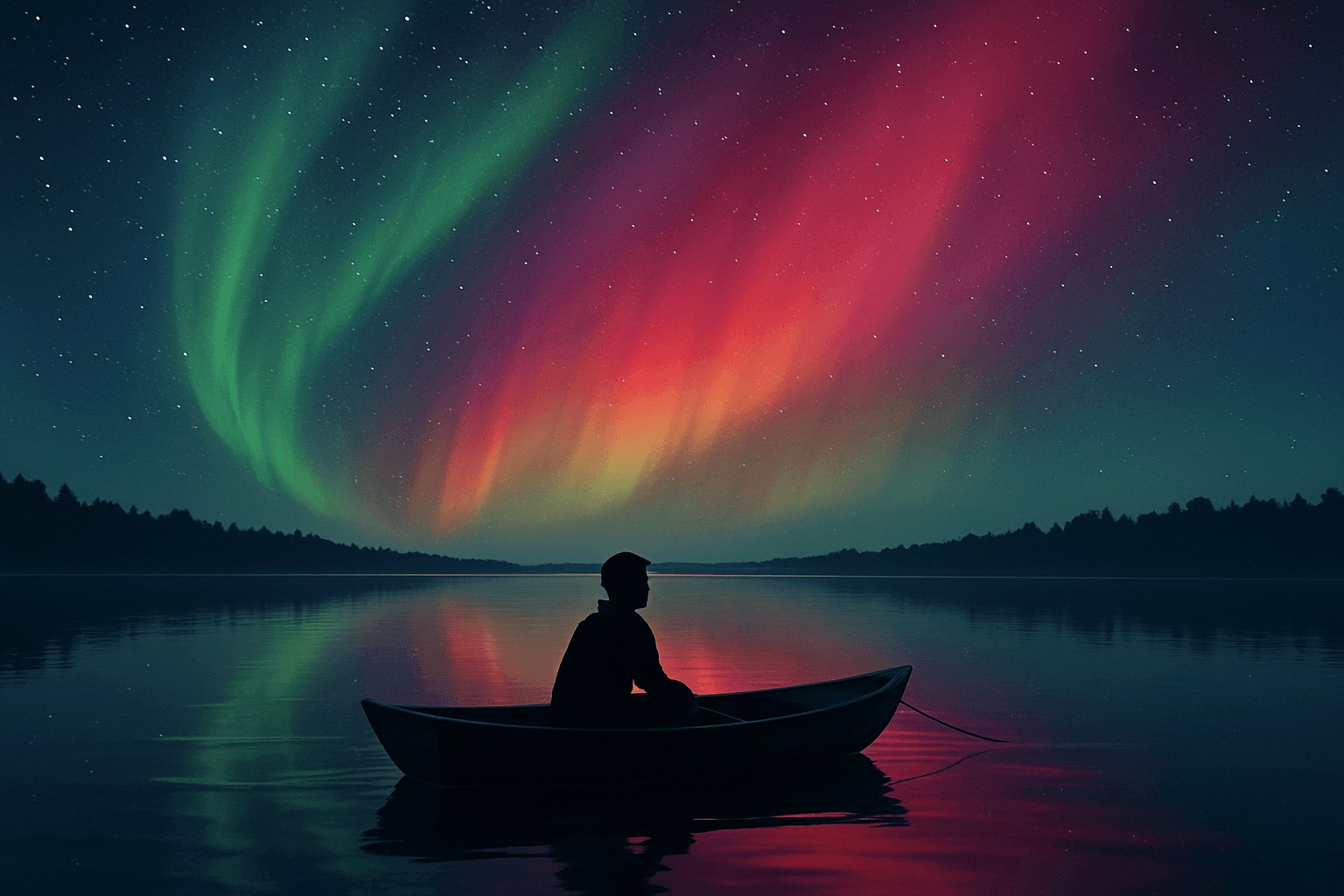
Seeing the aurora in person is one of those experiences that stays with you for life. No photograph — not even a stunning one — fully captures what it feels like to stand in the cold darkness while the sky ripples and pulses overhead. If you are planning a trip around the aurora, choosing the right location matters more than almost any other factor. The following destinations give you the best combination of auroral activity, clear skies, and accessible infrastructure.
Each location listing includes the best travel months, the minimum Kp index typically needed to see aurora from that spot, and the unique qualities that set it apart. Use Solar Ruler's live globe to monitor auroral activity in the days before your trip so you can time your outdoor sessions with the strongest displays.
How to Read These Listings
Northern Hemisphere Destinations
Tromsø, Norway
Tromsø sits directly beneath the auroral oval, making it one of the most reliable aurora destinations on Earth. The city offers a full tourism infrastructure — warm cabins, guided tours, and fjord boat trips — so you can chase the lights in comfort. On clear nights from September through March, the aurora can appear almost any time after 6 p.m. local time. Tromsø is also above the Arctic Circle, meaning you get proper polar darkness for much of the winter season.
Yellowknife, Canada
Yellowknife is often called the aurora capital of North America. It sits directly under the auroral oval and benefits from some of the driest, clearest skies on the continent. With over 240 nights of aurora activity per year, the odds are heavily in your favor. The city has grown a thriving aurora tourism industry with heated viewing platforms, aurora lodges with panoramic windows, and guided wilderness excursions. The peak season runs from late December through March when nights are longest and skies are most stable.
Fairbanks, Alaska
Fairbanks sits almost directly under the auroral oval and offers some of the darkest skies accessible by road in North America. The aurora season stretches from late August all the way through April, giving visitors a long window of opportunity. The surrounding wilderness — frozen rivers, boreal forest, and open tundra — provides dramatic foregrounds for photography. Chena Hot Springs, just outside the city, is a legendary spot where you can soak in outdoor thermal pools while the sky dances overhead. Fairbanks averages more than 200 clear nights per year.
Iceland
Iceland combines dramatic volcanic landscapes, geothermal hot springs, and reliable aurora activity into one of the world's most photogenic destinations. The entire island sits within the auroral zone, meaning you can see the lights from almost anywhere outside the capital city of Reykjavik. The Snæfellsnes Peninsula, the Westfjords, and the South Coast offer particularly dark skies and stunning natural backdrops. Iceland's unpredictable weather is the main challenge — but the island's compact size means you can often drive to a break in the clouds within an hour.
Finnish Lapland
Finnish Lapland is synonymous with magical winter experiences, and aurora viewing is at the center of them. The region is famous for its glass-roofed igloo hotels and aurora cabins — purpose-built accommodations that let you watch the northern lights from the warmth of your bed. The forests of Lapland create beautiful foreground scenery, and the long polar nights from December through January mean maximum darkness. The Saariselkä, Rovaniemi, and Kakslauttanen areas are particularly well-developed for aurora tourism and offer guided snowmobile and reindeer sled excursions.
Abisko, Sweden
Abisko is home to one of Sweden's most extraordinary microclimates. A phenomenon known locally as the "Blue Hole" — a persistent area of clear sky caused by the surrounding mountains — gives Abisko consistently lower cloud cover than almost anywhere else in Scandinavia. The Aurora Sky Station, accessible by chairlift, sits above the treeline at 900 meters elevation and offers a 360-degree view of the horizon. Because of its location and dry conditions, Abisko is widely considered the most statistically reliable aurora viewing site in all of Scandinavia. Even during overcast conditions elsewhere, the Blue Hole often stays clear.
Southern Hemisphere Destinations
South Island, New Zealand
For those in the Southern Hemisphere, New Zealand's South Island — particularly the Otago and Southland regions — offers some of the best access to the aurora australis outside of Antarctica. The Mackenzie Basin, home to the world's first International Dark Sky Reserve, provides extraordinarily dark skies free of light pollution. The aurora australis is generally visible from the South Island several times per year during strong geomagnetic storms. Stewart Island (Rakiura), just off the southern tip of the South Island, offers even darker conditions and sits at a latitude where the southern lights appear more frequently.
Planning Tips That Apply Everywhere
- Book flexible accommodation. Aurora activity is impossible to predict more than a day or two in advance. Refundable bookings let you extend your stay when conditions improve.
- Travel during the new moon. A full or near-full moon washes out faint auroras. The week around a new moon gives you the darkest skies.
- Allow at least five nights. Even in the best locations, clouds or calm solar activity can ruin individual evenings. More nights means more chances.
- Watch Solar Ruler before you go out. Check the live aurora oval map in the hours before dark. When the green band is wide and bright over your region, that is your cue to get outside.
- Dress in layers and then add one more. Standing still in below-freezing temperatures while waiting for the aurora to appear is far colder than any forecast suggests.